Rubbish collection for Ealing shops and offices
Posted on 07/08/2026

If you run a shop, cafe, agency, clinic, or office in Ealing, rubbish has a habit of arriving faster than you planned for it. Packaging builds up behind the till, old stock ends up in the back room, office chairs get replaced, and suddenly the bin area looks like a very bad afterthought. Rubbish collection for Ealing shops and offices is not just about emptying bags; it is about keeping your premises tidy, safe, professional, and workable day after day.
In this guide, you will find a practical breakdown of how commercial rubbish collection works, what to expect, where businesses usually slip up, and how to choose the right approach for your site. There is no fluff here. Just the kind of detail that helps you make a sensible decision on a busy Tuesday morning when the stockroom is cramped and the customer area needs to look spotless. To be fair, that is usually when these things matter most.
Why Rubbish collection for Ealing shops and offices Matters
Commercial rubbish is different from domestic waste in one crucial way: if it gets in the way, it affects business. A shop with cluttered storage can misplace stock. An office with overflowing waste can feel chaotic, even if the team is perfectly on top of the work. Customers notice too. They may not say anything, but they absolutely notice a corridor with old packaging stacked along the wall, or a front-of-house area that has started to smell a bit stale by late afternoon.
In Ealing, where premises can range from compact high-street units to larger shared office spaces, waste builds up quickly and often awkwardly. One delivery of cardboard-heavy stock can fill a rear room. One desk refresh can leave you with bulky furniture. One office move can create mixed waste that takes serious sorting. This is where organised collection becomes more than a convenience. It becomes part of normal business hygiene.
There is also the reputational side. A well-run business usually looks well-run behind the scenes too. That does not mean perfection. It means the bins are not bursting, the fire exits are not blocked, and staff can move around safely without having to step over broken pallets or half-collapsed boxes.
If you are thinking about wider operational planning, it can help to see rubbish handling as part of the same bigger picture as premises management, store presentation, and even local property decisions. Some business owners find our pages on commercial waste services and office clearance in Ealing useful when mapping out what support they actually need.
How Rubbish collection for Ealing shops and offices Works
The process is usually straightforward, though the best service is the one that fits around your trading hours rather than forcing you to work around it. Most businesses start by identifying what needs removing: general waste, cardboard, packaging, broken fixtures, obsolete furniture, old display materials, or mixed commercial junk that has built up over time.
From there, the collection method is matched to the load. Some jobs are light and regular, such as recurring bag and cardboard collection. Others are one-off clearances, such as a refit, relocation, end-of-lease clean-out, or sudden stockroom purge. You will usually want the provider to know three things before anything is booked: what needs removing, roughly how much there is, and whether access is awkward. Ground-floor access is one thing. Three flights of stairs, a narrow corridor, and a shared entrance during lunch rush? That is a different conversation entirely.
Good planning often means separating waste into broad categories before collection day. Cardboard and packaging may be straightforward. Mixed rubbish is usually slower to deal with. Furniture and bulky items need more handling. If the waste includes anything unusual or potentially hazardous, it should be flagged early rather than left until the last minute. No one enjoys a surprise on loading day.
For businesses looking at time-sensitive clearances, a same-day option can be especially useful. When a back office is suddenly unusable or a stockroom needs clearing before a delivery, responsiveness matters. You can read more about fast turnarounds in this same-day rubbish removal guide for Ealing.
Key Benefits and Practical Advantages
The obvious benefit is a cleaner site. The less obvious benefits tend to be the ones business owners appreciate most after the first week or two.
- Better use of space: Stockrooms, staff rooms, and back offices work properly when they are not being used as a holding bay for waste.
- Improved safety: Less clutter means fewer trip hazards, fewer blocked walkways, and less chance of damaged goods or torn packaging causing trouble.
- Stronger presentation: Customers, tenants, suppliers, and inspectors all see a better first impression.
- Less staff stress: Employees do not have to keep "making room" around a pile of rubbish. It sounds small. It really is not.
- More predictable operations: Regular collection reduces those annoying sudden build-ups that derail a day's work.
- Better recycling habits: Cleaner separation often means more materials can be diverted from general waste.
There is also a time-saving angle. Staff should be serving customers, answering calls, managing inventory, and keeping the business moving. They should not be spending half an hour folding down boxes because there is nowhere else for them to go. In our experience, that kind of "small" task grows legs and becomes a habit if no one steps in early.
If your business also deals with fixtures, displays, old chairs, or mixed bulky items, it may be worth looking at furniture disposal in Ealing as part of a wider waste plan. For heavier mixed loads, rubbish collection in Ealing can often be the simpler route.
Who This Is For and When It Makes Sense
This service suits a wide range of Ealing businesses, and not only the obvious ones. Yes, retail shops and offices need it, but so do salons, small clinics, agencies, workshops, cafes, hospitality venues, and shared workspaces. Basically, if your business produces waste that staff cannot reasonably handle through ordinary bins alone, this is relevant.
It makes particular sense when you are facing any of these situations:
- regular cardboard and packaging build-up
- an office move or partial relocation
- a refurbishment or redecoration
- new furniture arriving and old furniture going out
- seasonal stock changes
- back-room clutter that has become normalised over time
- a landlord handover or lease end
Some business owners only call for help when a pile becomes impossible to ignore. Others build collection into their routine, which is a calmer way to run things. There is no prize for letting rubbish become a structural feature of the premises. Bit of a grim award, that one.
And if your current workspace is part of a move or redesign, it can help to look at adjacent services such as office clearance or rubbish clearance in Ealing so you are not making three separate calls for one problem.
Step-by-Step Guidance
If you want this done smoothly, here is the practical sequence we recommend.
- Walk the site properly. Look beyond the obvious bin area. Check stockrooms, cupboards, under-desk storage, rear yards, and any shared corridors.
- Sort the waste into simple groups. Cardboard, general rubbish, furniture, fixtures, and anything specialist should not all be treated as the same thing.
- Estimate access conditions. Note stairs, narrow entrances, lift restrictions, loading bay hours, parking limitations, and whether collection needs to happen outside trading time.
- Decide what can wait and what cannot. Some items are urgent; others can be scheduled with your normal workflow. That distinction saves money and stress.
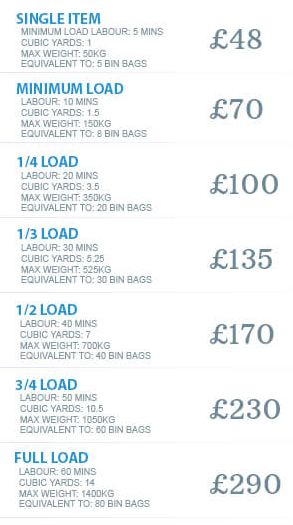
- Ask for a clear quote structure. It is wise to understand whether pricing is based on volume, labour, item type, or access difficulty.
- Prepare the items in advance if possible. Easier access usually means a quicker visit and a cleaner finish.
- Check what happens after collection. Recycling, reuse, and responsible disposal should be part of the conversation, not an afterthought.
A simple rule helps here: if staff need to stop their normal work to keep moving waste around, the system is not really working yet. Better to fix it early than keep improvising. The improvising phase can go on for months, honestly.
Expert Tips for Better Results
There are a few habits that make commercial rubbish collection much easier to manage.
First, create a "do not store" zone. Pick one small space that is never used as a dumping ground. Even in a compact shop, one clean corner helps stop clutter from spreading like weeds after rain.
Second, treat cardboard separately if you can. Shops in particular often generate more cardboard than they expect. Flattening it early saves room and makes collections neater.
Third, line up waste removal with your trading rhythm. If Mondays are frantic, do not choose Monday unless you really have to. A quieter day usually means fewer interruptions and less stress for staff.
Fourth, keep an eye on bulky items that linger. One spare filing cabinet or broken display unit does not look dramatic, but it eats space month after month. That slow creep is the real problem.
Fifth, think in terms of workflow, not just waste. The best collection setup reduces friction. Staff should know where items go, when they are moved, and who flags problems. Simple, but not always simple in practice.
If you are comparing options, it may also help to review pricing and quotes and the site's page on recycling and sustainability so you know what to ask before you book.
Common Mistakes to Avoid
Most problems with business waste come down to a handful of avoidable mistakes.
- Leaving it until the space is already compromised. By then, collections are slower and more disruptive.
- Mixing everything together. A mixed pile is usually harder to remove efficiently and can limit recycling opportunities.
- Ignoring access issues. If the service team cannot get close to the waste, the job becomes longer than expected. That is often where frustration starts.
- Using staff time as free labour. A bit of help is normal. A full internal clear-out every month is a drain.
- Assuming all waste is the same. It is not. Cardboard, furniture, general rubbish, and construction-style debris all need different handling.
- Forgetting about end-of-lease timing. If you are handing back a unit, the clearance timeline matters more than people think.
One small but common oversight: shops often keep packaging "just in case" and offices keep old equipment "until someone decides." Then one day there is no room left to decide anything. Funny how that happens.
Tools, Resources and Recommendations
You do not need a complicated system, but a few practical tools help a lot.
| Tool or resource | What it helps with | Best for |
|---|---|---|
| Simple waste log | Tracking what is being thrown away and how often | Shops with regular packaging or stock waste |
| Labelled collection point | Keeping rubbish separated and easy to access | Offices, shared spaces, and back rooms |
| Photo inventory | Showing what needs removing before booking | Bulky clearances and one-off jobs |
| Access checklist | Noting stairs, lifts, loading bays, and time windows | Any site with tight access |
| Reusable crates or sacks | Reducing mess during internal collection | Busy commercial premises |
For business owners who want a broader service picture, the pages on waste removal in Ealing and junk removal in Ealing can help clarify the difference between routine collection, bulky item removal, and mixed-site clearances.
Law, Compliance, Standards, or Best Practice
Commercial rubbish collection is not just an operational issue; it has a compliance angle too. In the UK, businesses are generally expected to manage their waste responsibly, keep premises safe, and use suitable arrangements for storage and removal. Exact obligations vary depending on the waste type, the premises, and the business activity, so it is always sensible to check your own circumstances carefully rather than assuming a one-size-fits-all answer.
Good practice usually includes the following:
- keeping walkways, exits, and staff areas clear
- separating recyclable material where possible
- avoiding unsafe storage of bulky or sharp waste
- using a provider that can explain how waste is handled
- maintaining a tidy and documented waste process for your own records
If your waste includes items that could create safety issues, such as broken furniture, glass, or heavy awkward objects, careful handling becomes even more important. The service should be planned in a way that reduces risk for staff, customers, and the collection team. That is one reason some businesses like to review the site's insurance and safety information before they decide how to proceed.
Practical takeaway: the safest waste system is usually the simplest one you can keep up every week, not the fanciest one you set up once and forget about.
Options, Methods, or Comparison Table
Businesses in Ealing tend to choose between a few broad approaches. The best fit depends on volume, urgency, and how much disruption you can tolerate.
| Method | Best for | Advantages | Trade-offs |
|---|---|---|---|
| Regular commercial collection | Ongoing waste from shops and offices | Predictable, tidy, low-drama | Less flexible for sudden one-off clearances |
| One-off rubbish collection | Refits, moves, stock changes, bulky clear-outs | Fast, targeted, easy to schedule | May cost more than routine service if used often |
| Office clearance | Desks, chairs, filing, workspace redesigns | Good for larger interior resets | Needs more planning and access preparation |
| Skip hire | Sites with space and longer projects | Convenient for ongoing work | Can be awkward in busy retail areas or tight access points |
For many Ealing shops and offices, a collection service is the least disruptive option because waste is removed on schedule rather than sitting outside for days. That said, if your site is undergoing bigger changes, a skip can still make sense. It is a case-by-case decision, not a one-answer-fits-all thing.
Related options worth comparing include skip hire in Ealing and builders waste clearance in Ealing if your premises is being refurbished.
Case Study or Real-World Example
A typical example might be a small office near Ealing Broadway preparing for a partial refurb. The team has a stack of broken task chairs, old monitors, cardboard from new equipment deliveries, and a rear storage cupboard that has quietly become a graveyard for unwanted items. Nothing dramatic individually. Together, though, it fills a surprising amount of space.
What usually helps in this kind of scenario is a simple phased approach. First, identify what is definitely going. Then remove bulky items that are blocking access. After that, deal with mixed waste and packaging. Finally, do a quick sweep for anything that was missed because it had been tucked under a desk or shoved in a corner during the rush.
What changes most is not just the look of the place, but the feel of it. The office sounds different. Less scraping chairs around. Less rustling of collapsed cardboard. Fewer "where do we put this?" conversations. It becomes easier to breathe, strangely enough.
If that sort of scenario sounds familiar, a business can often benefit from combining collection with a broader clear-out, similar in principle to a workplace reset. For some readers, a practical example like this Ealing Broadway clearance example is useful because it shows how mixed-site removal can be handled with planning rather than panic.
Practical Checklist
Use this before arranging rubbish collection for your shop or office.
- Have you listed everything that needs removing?
- Have you separated cardboard, furniture, general waste, and anything unusual?
- Do you know when collections can happen without disrupting customers or staff?
- Have you checked access, parking, stairs, lifts, and loading restrictions?
- Are any items fragile, sharp, heavy, or awkward to move?
- Do you know whether the job is a one-off or part of an ongoing routine?
- Have you planned who will clear the area before collection starts?
- Have you asked how recyclable materials will be handled?
- Is there a point of contact on the day?
- Have you checked the provider's terms, payment process, and safety information?
One neat trick: take a few photos of the waste before booking. It saves back-and-forth, and it helps the collection team understand the job properly. Not glamorous, but effective.
Get a free quote today and see how much you can save.
Conclusion
Rubbish collection for Ealing shops and offices is really about keeping the working day smooth. It protects space, presentation, and safety. It helps staff stay focused. It prevents the slow build-up of clutter that makes a business feel more difficult than it should. And once the right routine is in place, it tends to fade into the background in the best possible way. That is what good waste management should do.
If you are weighing up a one-off clearance, a recurring collection plan, or a bigger workspace reset, start with a clear look at what is actually on site and how quickly it needs to move. Small decisions made early usually save bigger headaches later. Simple enough, really.
For next steps, you may also want to review the company's pages on about us and contact options when you are ready to discuss your site in more detail. A tidy business is not just nicer to walk into; it is easier to run, day in, day out.