Northfields Ealing house clearance and rubbish removal guide
Posted on 25/08/2026

If you are dealing with a full flat, an inherited property, a garage that has quietly become a storage unit, or just a pile of bulky items that has outstayed its welcome, this Northfields Ealing house clearance and rubbish removal guide will help you make sense of the process. The job can look simple from the outside. In reality, it often involves sorting, lifting, access issues, recycling decisions, and a fair bit of judgement. That is especially true in Northfields, where terraced homes, maisonettes, and compact roads can make logistics a little trickier than people expect.
Below, you will find a clear, practical walkthrough of how house clearance and rubbish removal usually work in Northfields Ealing, what to look out for, when professional help makes sense, and how to avoid the usual headaches. Let's face it, nobody wants to spend a Saturday wrestling a wardrobe down narrow stairs.
Why Northfields Ealing house clearance and rubbish removal guide Matters
House clearance is not just about making a home look tidy. In Northfields, it can affect how quickly you can prepare a property for sale, let, refurbishment, or moving day. It also affects safety. Old furniture, broken appliances, loose screws, damp cardboard, and hidden clutter can create trip risks and make a property feel far more stressful than it needs to be.
There is also a local practical angle. Northfields properties often sit in streets where parking is tight, access may be shared, and load-in/load-out needs to be planned rather than guessed. If you have ever tried to move a sofa through a hallway that was clearly designed with optimism rather than reality, you will know what I mean.
A proper guide matters because it helps you decide:
- what to clear yourself and what to leave to a team
- how to separate reusable items from true waste
- when same-day help is worth paying for
- how to avoid disposal mistakes that create extra cost or delay
- how to make the process more efficient, calmer, and less disruptive
It also helps you avoid the common trap of treating every item the same. A mattress, a broken wardrobe, a bag of mixed rubbish, and leftover renovation debris all need different handling. That distinction saves time and usually money too.
How Northfields Ealing house clearance and rubbish removal guide Works
In practical terms, the process usually starts with a review of what needs removing. That sounds obvious, but it is the step most people rush. A room-by-room look is often better than a quick glance because clutter has a habit of hiding in corners, cupboards, sheds, lofts, and behind the biggest item in the room.
Once the load is understood, the job is normally broken into a few parts:
- Assessment - what is there, how much there is, and whether there are awkward items such as white goods, glass, or heavy furniture.
- Sorting - decide what stays, what is donated or reused, what can be recycled, and what is simply waste.
- Access planning - stairs, lifts, parking, narrow hallways, controlled entry, and how close a vehicle can get.
- Removal - lifting, loading, and clearing the items in a safe and orderly way.
- Responsible disposal - recycling, re-use, and lawful transfer of waste.
For some properties, a full house clearance is needed. In others, it is really just rubbish removal with a few bulky objects and several black bags. That is why clear communication matters more than fancy wording. If you need help understanding the broader service types, the services overview is a useful place to start.
In many cases, the choice comes down to speed versus DIY effort. If you have time, transport, and a strong back, some smaller jobs can be done yourself. But when a property is full, access is awkward, or the schedule is tight, professional clearance tends to be the cleaner option. No drama. Just fewer moving parts.
Key Benefits and Practical Advantages
A good clearance service offers more than convenience. It removes friction from a process that can already feel emotionally and physically draining.
- Time saved: A job that might take you several weekends can often be handled in a single visit.
- Less physical strain: Heavy lifting is where a lot of DIY clearances go wrong.
- Better sorting: Experienced teams are more likely to separate recyclable materials and reusable items properly.
- Cleaner handover: Vacant properties are easier to sell, rent, refurbish, or inspect.
- Reduced stress: There is a real difference between "I will deal with it eventually" and "it is sorted".
There is also a quieter benefit: confidence. When you know the property has been cleared properly, it is easier to move on to the next step, whether that is decorating, estate agent photos, or simply getting your life back on schedule.
For sustainability-minded customers, responsible disposal is another major upside. Re-use and recycling should be part of the conversation, not an afterthought. If that matters to you, it is worth reviewing the company's approach to recycling and sustainability before you book.
Who This Is For and When It Makes Sense
This guide is relevant to a lot of people, not just homeowners. In Northfields and wider Ealing, we commonly see clearance needs arising from ordinary life changes rather than major renovations.
- Homeowners clearing lofts, spare rooms, garages, or entire houses before a move.
- Landlords preparing rental properties between tenancies.
- Executors and family members dealing with a relative's home after bereavement.
- Renters who need to clear bulky items before the end of a tenancy.
- People refurbishing and removing old furniture, broken fixtures, or mixed waste.
- Small businesses with overflow items, archived materials, or old stock to remove.
It also makes sense if you have one of those "small job, bigger than expected" situations. You know the type: a sofa, a wardrobe, a broken tumble dryer, three cupboards of mystery items, and somehow half a garden shed. The job rarely stays small for long.
If you are mainly clearing furniture, a dedicated furniture disposal service may be the neatest fit. For lofts, garages, and awkward storage areas, the more specialised pages for loft clearance and garage clearance can also be more relevant than a general rubbish removal job.
Step-by-Step Guidance
Here is a practical way to approach a Northfields Ealing house clearance without overcomplicating it.
1. Walk through every room
Start with a full walkthrough. Open cupboards. Check under beds. Look in the loft, shed, and under-stairs storage. It is amazing how often the final pile grows once people stop estimating and start looking properly.
2. Split items into four groups
- Keep - items you still need or want to store
- Donate or reuse - usable items with life left in them
- Recycle - materials that can be separated sensibly
- Dispose - damaged, broken, or contaminated items
3. Note access problems
Measure doorways if needed. Check whether parking is likely to be available near the property. If the waste has to be carried a long distance, that affects how the job is planned. More time, more labour, more nuisance if it is not thought through.
4. Decide on the service level
If it is a straightforward load, a rubbish collection may be enough. If the property needs full emptying, a house clearance makes more sense. For construction offcuts, plasterboard, timber, and mixed rubble, you should look at a dedicated builders waste clearance option rather than mixing everything together.
5. Ask for a clear quote
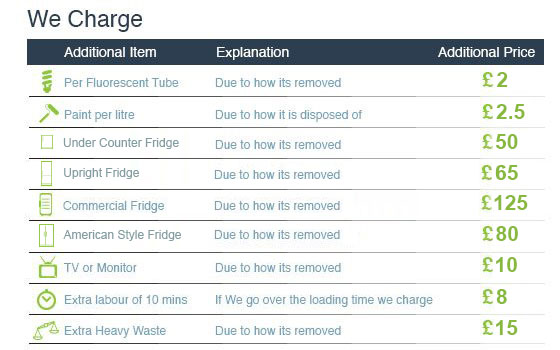
A sensible quote should reflect the volume, weight, access, type of waste, and any special handling required. If the price feels vague, ask what is included. Labour? Loading? Disposal? Recycling? Travel? These are not annoying questions. They are the right questions.
6. Prepare the property
Group items where possible, remove anything you definitely want to keep, and make sure access points are clear. Even a bit of prep can make the day run more smoothly.
7. Check the final sweep-through
Before the team leaves, do a quick room-by-room check. Look in cupboards, behind doors, and in outdoor spaces. The final five minutes often save a lot of back-and-forth later. Truth be told, that last sweep is where people catch the forgotten lamp, the spare bag, or the box of cables nobody claimed.
Expert Tips for Better Results
These are the small decisions that often make the biggest difference.
- Separate early, not late. If you know what is staying, donate-worthy, or waste, split it before collection day.
- Be realistic about lifting. A chest of drawers looks manageable until you have to turn it in a hallway.
- Keep sensitive items aside. Paperwork, photos, keys, and sentimental things tend to hide in drawers and coat pockets. It happens a lot.
- Use the right service for the job. Garden waste, office furniture, loft contents, and mixed household waste are not all the same thing.
- Think about timing. Early slots often help if parking is tight or neighbours are sensitive to disruption.
- Ask about recycling routes. It is fair to want a provider who handles materials responsibly.
One practical trick: photograph each room before you start sorting. It gives you a simple before-and-after reference and helps if you need to explain the scope to someone else in the household. Not glamorous, but useful.
If speed matters, you may also want to look at same-day rubbish removal in Ealing W5. Sometimes the right answer is not "someday", it is "today, please".
Common Mistakes to Avoid
Most clearance problems come from a handful of predictable mistakes. The good news is they are easy to avoid once you know them.
- Underestimating volume. A few bags can turn into a van-load very quickly.
- Leaving sorting until the last minute. This slows everything down and increases stress.
- Mixing the wrong materials. Hazardous items, electrical items, and general waste may need different handling.
- Ignoring access issues. Narrow staircases and parking restrictions can seriously affect the job.
- Choosing only on headline price. The cheapest quote is not always the best value if it excludes labour, loading, or disposal.
- Forgetting the emotional side. Clearances after bereavement or long-term tenancy changes can be genuinely heavy. A bit of patience goes a long way.
Another one, and this is more common than people admit: assuming a skip is always the simplest answer. Sometimes it is. Sometimes it is just a big metal box sitting in the way for longer than planned. For mixed household loads or properties with limited access, skip hire in Ealing may be useful, but it is worth comparing it carefully with a collection-based service.
Tools, Resources and Recommendations
You do not need a warehouse full of equipment to handle a clearance well, but a few practical tools help a lot.
- Heavy-duty bags for mixed rubbish and smaller loose items
- Marker pens and labels for keep, donate, and dispose piles
- Gloves for dusty lofts, sheds, and old storage spaces
- Measuring tape for awkward furniture and access points
- Phone camera for before-and-after records
- Floor protection if furniture has to be moved through finished rooms
From a service point of view, the most useful resources are the pages that explain scope, process, and pricing clearly. The pricing and quotes page is especially handy when you want to understand what affects cost before you commit. If payment certainty is something you care about, you may also find payment and security helpful.
For trust and service standards, it is sensible to check practical policies too. Safety matters. So does clarity about how a provider operates, especially if they will be entering a home or moving bulky items through shared spaces. A careful read of insurance and safety can save awkward conversations later.
Law, Compliance, Standards, or Best Practice
Clearance and rubbish removal are ordinary services, but they still sit within a framework of UK waste best practice. You do not need to become a legal expert, but you should expect proper handling, proper transfer, and reasonable care.
In plain English, that means:
- waste should be collected and managed responsibly
- reusable and recyclable materials should not be treated like everything else
- hazardous or specialist items need extra attention
- vehicles, loading, and disposal should be suitable for the material being removed
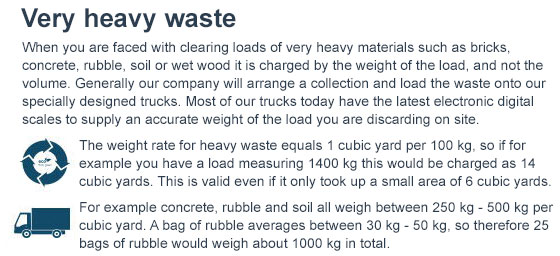
If you are clearing a home with electronics, fridges, old paint, or mixed refurbishment waste, do not assume every item can go in one pile. That is where careful service providers earn their keep. It is not glamorous work, but it is the difference between an orderly clearance and a messy one.
For customers who care about values as well as logistics, it is also worth checking company policies such as the modern slavery statement, plus the general company background in the about us page. Those details are small signals, but they help build confidence.
Accessibility can matter too, especially where a customer or household member has mobility needs. A careful provider should be able to discuss access constraints in a respectful, practical way. If that is relevant, the accessibility statement is worth a look.
Options, Methods, or Comparison Table
There is no single best approach for every Northfields property. The right method depends on quantity, speed, access, and the type of waste involved.
| Option | Best for | Strengths | Watch-outs |
|---|---|---|---|
| Full house clearance | End-of-tenancy, probate, moving out, emptying a property | Comprehensive, efficient, usually less effort for the client | Needs a clear scope and room-by-room planning |
| Rubbish removal | Mixed waste, bulky items, quick clear-outs | Fast, flexible, good for one-off jobs | Can be less suitable for whole-property emptying |
| Furniture disposal | Sofas, beds, wardrobes, tables, white goods | Good for large items that are awkward to move | Needs careful handling for heavy or damaged pieces |
| Skip hire | Longer DIY clearances or projects with ongoing waste | Useful if you want to load gradually | Parking, permits, and loading time can complicate things |
| Specialist area clearance | Lofts, garages, gardens, offices | More focused, often more efficient | Best when the scope is genuinely specific |
If your project is mainly a room-by-room empty-out, a house clearance in Ealing is usually the right fit. If it is broader mixed waste, a rubbish clearance service may be the more flexible option.

Case Study or Real-World Example
Here is a realistic scenario from the kind of work people in Northfields often need, without dressing it up more than necessary.
A family is preparing to sell a two-bedroom flat after living there for many years. The property has an old sofa, a broken dining table, boxes of books, cupboard clutter, a few small appliances, and odds and ends left in the loft. The estate agent wants it ready for photographs within days, and the family does not have the time or transport to clear it themselves.
The sensible approach is simple:
- walk the property and identify what stays
- separate obvious reusable items from waste
- flag heavy furniture, electrics, and loft access
- book the right clearance type rather than trying to cram everything into a DIY plan
What tends to happen next is almost boring in the best way. The awkward items are removed, the rooms feel larger, floors become visible again, and the property starts to look like somewhere people can actually imagine living. That shift matters. It changes how a space feels at first glance. And first impressions are powerful, especially in a market where buyers and tenants notice clutter immediately.
If the property also sits within a broader buying or selling journey, the local articles on property buying in Ealing and real estate in Ealing can help frame the wider decision-making side. For people getting to know the area better, local insights on living in Ealing and Ealing's hidden gems are useful background reading too.
Practical Checklist
Use this as a simple pre-clearance check before the team arrives or before you start DIY sorting.
- Decide whether you need a full house clearance or just rubbish removal
- List all bulky items, loft contents, shed contents, and garden waste
- Separate valuables, paperwork, and sentimental items first
- Check access routes, stairs, and parking availability
- Photograph the rooms if you need a visual record
- Ask what happens to reusable and recyclable materials
- Confirm what is included in the price
- Make sure hazardous or specialist items are mentioned upfront
- Clear hallways where possible
- Do a final sweep before sign-off
If you are also dealing with outside spaces, the garden waste removal page may be relevant. For shops, landlords, or office moves, there is a separate angle to think about, and the guidance on rubbish collection for Ealing shops and offices can be useful if your needs are not purely residential.
Get a free quote today and see how much you can save.
Conclusion
Northfields Ealing house clearance and rubbish removal does not need to be complicated, but it does need to be planned properly. The homes, streets, access routes, and everyday realities of the area all shape how the job should be handled. Once you understand the difference between clearance, rubbish removal, bulky item disposal, and specialist services, the whole process becomes much easier to manage.
The best results usually come from simple habits: sort early, be honest about what needs removing, choose the right service, and make sure the provider is clear about safety, disposal, and pricing. That is how you save time and avoid the "I wish we had done this sooner" feeling.
If you are still weighing up your options, do not rush the decision. A calm, well-planned clearance feels better on the day and even better the next morning when the space is open again. Little wins, really.


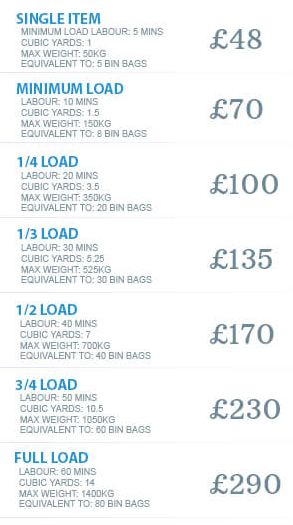
 Tipper Van - Rubbish Removal and Waste Clearance Prices in Ealing, W5
 Luton Van - Rubbish Removal and Waste Clearance Prices in Ealing, W5