Ealing Broadway pub clearance rubbish removal case study
Posted on 14/07/2026
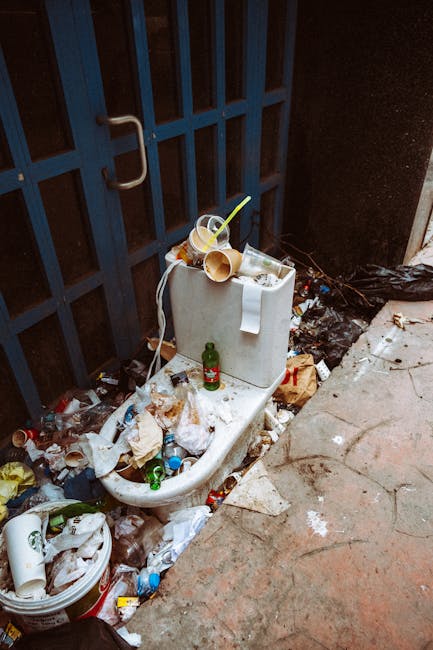
If you have ever walked past a busy pub in Ealing Broadway after a refit, a stockroom clear-out, or a rushed end-of-tenancy handover, you will know the scene can get messy fast. Broken bar furniture, old keg packaging, damaged fittings, cardboard, mixed general waste, and the odd bulky item pile up in a way that is never quite as simple as "just take the rubbish away". This Ealing Broadway pub clearance rubbish removal case study looks at the practical side of doing the job well: how to plan it, what usually goes wrong, and how to clear commercial waste without turning a tight deadline into a headache.
The point is not just to empty a venue. It is to do it safely, quietly, legally, and with as little disruption to staff, neighbours, and customers as possible. In a place like Ealing Broadway, where footfall, access, and timings matter, a good clearance can save hours, reduce avoidable costs, and keep the project moving. Let's face it, nobody wants a delivery bay blocked by a mountain of cardboard at 8:30 on a Friday morning.
Why Ealing Broadway pub clearance rubbish removal case study Matters
Pub clearances are a different beast from a standard household tidy-up. There are sharp edges, mixed waste streams, heavy items, and the ever-present problem of access. In Ealing Broadway, where loading space is often limited and surrounding streets can be busy, a clearance needs more than muscle. It needs timing, judgement, and a decent understanding of commercial waste handling.
This matters because a pub clearance can affect more than the venue itself. If waste is left in the wrong place, it can create trip hazards, attract complaints, or get in the way of tradespeople. If the rubbish is not sorted properly, recycling opportunities get lost. If the team turns up late or unprepared, the whole schedule may slip. One small delay becomes three. You know how it goes.
For owners, managers, landlords, and fit-out teams, a good clearance also protects the reputation of the site. A tidy handover feels professional. A chaotic one does not. That is especially true in a high-visibility location where people notice everything, even from across the pavement.
It is also worth noting that pubs often generate a mixed load: furniture disposal, fixtures, old stock packaging, kitchen waste, and sometimes builder's waste after repair work. That is where a broader service approach helps, which is why many businesses look at the full range of rubbish removal services in Ealing rather than trying to solve one issue at a time.
How Ealing Broadway pub clearance rubbish removal case study Works
A successful pub clearance usually follows a simple but disciplined process. The "simple" bit is misleading, of course. It sounds straightforward until you are moving a half-dismantled banquette, dodging a busy service entrance, and trying not to scrape the front bar on the way out.
Here is how it typically works in practice:
- Survey the site - identify what needs removing, what must stay, and any access constraints such as stairs, narrow doors, basement storage, or rear yard access.
- Separate waste types - group bulky items, general waste, recyclable materials, and any items needing special care.
- Plan the timing - pub clearances often work best before opening, after closing, or during a short trading lull.
- Protect the route - hallways, floors, and shared access areas should be kept clear and safe.
- Remove in stages - bulky items first, then bagged or boxed waste, then a final sweep of loose debris.
- Sort for recycling where possible - cardboard, metal, untreated wood, and some plastics may be separated from general waste.
- Leave the site ready for the next trade - the final check matters. It should feel like a reset, not just an empty room.
For a venue near Ealing Broadway station or a busy high-street frontage, the logistics matter as much as the lifting. Vehicles may need tight coordination. Teams may need to work quickly and quietly. And if the job involves anything beyond simple general waste, specialist handling should be considered. For example, broken fittings after refurbishment may sit closer to builders waste clearance in Ealing than standard household-style rubbish removal.
Key Benefits and Practical Advantages
The best pub clearance jobs deliver more than a clean floor. They reduce stress, support compliance, and make the venue easier to hand over, refurbish, or reopen.
- Less downtime - faster clearances mean trades can start sooner and reopening plans stay realistic.
- Better safety - removing loose rubbish reduces slips, cuts, and blocked exits.
- Cleaner decision-making - once clutter is gone, it is easier to see what can be reused, repaired, or replaced.
- Improved recycling outcomes - mixed waste sorted properly is often easier to divert from landfill.
- More professional handover - landlords, property managers, and incoming tenants usually appreciate a clear, orderly space.
- Lower stress for staff - nobody enjoys working around piles of debris during a busy week.
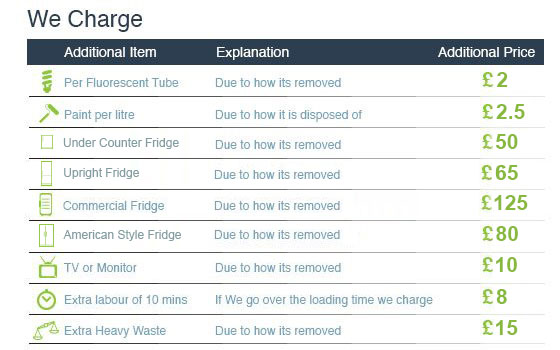
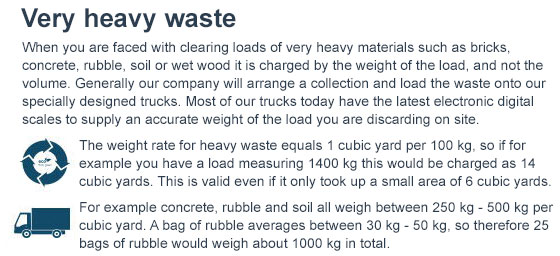
There is also a financial angle. Clear, well-planned removal avoids repeat visits, emergency callouts, and the kind of last-minute sorting that tends to waste time. If you are trying to understand what drives costs, it can help to compare the project against guidance such as the bulky rubbish cost guide for Ealing W13. Not every pub clearance is bulky waste, but the same basic cost drivers often show up: volume, weight, access, labour, and timing.
Who This Is For and When It Makes Sense
This kind of clearance is relevant to a few different people, and not just publicans. In our experience, the same kind of job crops up in slightly different clothes.
- Pub landlords preparing for a refurb, deep clean, or change of tenant.
- Venue managers clearing stockrooms, back-of-house areas, or external waste areas.
- Letting agents and landlords handling a commercial handover after a lease ends.
- Contractors needing waste removed after strip-out or light refurbishment.
- Hospitality operators who want to clear old furniture or broken fittings without interrupting service.
It makes sense when the waste is too much for routine bin collections, too mixed for a simple skip drop-off, or too time-sensitive for a DIY approach. It also makes sense when access is awkward. A pub with a busy pavement frontage, a narrow rear entry, or shared access may benefit from a team that can clear items quickly and keep disruption low.
If the venue is tied into a broader property move or sale, you may also find the local context useful. Ealing Broadway is part of a wider neighbourhood story, and the area pages on living in Ealing and the Ealing property buying guide can help if the clearance is part of a bigger transition.
Step-by-Step Guidance
Here is a practical way to approach a pub clearance without getting overwhelmed.
1. Walk the whole property first
Do a slow, proper walkthrough. Check the bar area, cellar, kitchen, toilets, office corners, storage cupboards, outdoor seating, and any forgotten "that can stay there for now" spots. Those hidden corners are usually where the annoying bits live.
2. Decide what is staying, moving, or going
Label each item or zone. A simple sticky note system works surprisingly well. Keep the process visible so no one accidentally removes something that was meant to be retained.
3. Identify any hazardous or awkward materials
Glass, splintered wood, broken metal, and heavy fixtures need more care. If there are unknown materials from refurb work, treat them cautiously and separate them early.
4. Set a clear route to the vehicle
A clean route saves time and reduces accidents. If the route crosses a customer area or shared corridor, protect floors and time the removal carefully.
5. Load in a sensible order
Large furniture and fixed items usually go first, followed by lighter loose waste. This avoids the classic situation where the van is full of easy stuff and the awkward chair base still needs a home. Annoying, but common.
6. Sweep the final area
Once the visible waste is gone, do a last sweep for screws, bottle caps, packaging straps, glass shards, and dust. The small stuff is what people notice later.
7. Confirm disposal and recycling routes
A professional clearance should end with clear handling of what was taken away. If the job has included mixed materials, ask how items were separated and where the main waste streams went.
Expert Tips for Better Results
A few small choices can make a pub clearance dramatically smoother.
- Book around trading hours if possible. Early mornings are often the least disruptive.
- Keep a "do not remove" zone for keys, paperwork, alcohol stock, and valuables.
- Use one decision-maker on site. Too many opinions slow everything down.
- Photograph the space before and after. It helps with handovers and avoids later confusion.
- Separate recyclable materials early instead of leaving it until the end.
- Plan for stairs and awkward corners. The route is often the real challenge, not the room itself.
A small but useful tip: check access in daylight if the job is happening very early or very late. What looks fine in the afternoon can feel much less friendly at 6 a.m., especially in winter, with damp paving and barely enough light to see the edges. That is just reality.
If the clearance is part of a wider property project, it can help to think in phases. A venue clear-out, a light strip-out, and a final deep clean are often easier to manage separately than in one giant rush. For some businesses, that means combining pub waste removal with general rubbish clearance in Ealing for the everyday clutter and furniture disposal for the heavier items.

Common Mistakes to Avoid
Most clearance problems come from rushing the planning stage. The actual lifting is often the easiest part.
- Leaving sorting until the end - mixed waste is slower and usually messier to handle.
- Underestimating access issues - a narrow stairwell or awkward rear alley can change the whole job.
- Forgetting cellar or loft storage - pub clearances often have hidden stock and old equipment tucked away.
- Assuming every item is standard waste - not everything can be treated the same way.
- Planning around perfect conditions - real life is not a tidy spreadsheet, unfortunately.
- Not assigning one point of contact - mixed instructions cause delays and mistakes.
A common one is forgetting the outside area. A pub might look mostly clear inside, but then there is a stack of broken planters, empty beer kegs, cardboard, ashtrays, or rusting bits in the yard. That final 10% can take 40% of the time. Happens all the time.
Tools, Resources and Recommendations
You do not need a mountain of gear, but you do need the right basics.
| Item | Why it helps | Practical note |
|---|---|---|
| Gloves and safety footwear | Protects against cuts, slips, and dropped items | Essential for mixed commercial waste |
| Heavy-duty sacks or boxes | Keeps smaller waste contained | Useful for loose packaging and debris |
| Trolleys or dollies | Makes bulky items easier to move | Particularly helpful in tight access areas |
| Floor protection | Reduces scuffs and mess | Worth it in public-facing venues |
| Labels or tape | Keeps "keep" and "remove" items separate | Simple, but it saves arguments |
For businesses comparing service levels, it can also help to look at the bigger picture. An overview page like house clearance in Ealing may not sound like an obvious pub resource, but it can be useful if a venue includes living accommodation above the pub, or if the property handover mixes residential and commercial space. The same goes for office clearance when a pub includes admin rooms or back-office storage.
If you need a general benchmark for speedy jobs, the discussion on same-day rubbish removal in Ealing W5 is useful for understanding how urgent collection works in practice. It is not a magic wand, but it is often the right fit when a deadline is breathing down your neck.
Law, Compliance, Standards, or Best Practice
For pub clearances, compliance is mostly about duty of care, safe handling, and using a lawful waste carrier. In the UK, businesses are expected to manage waste responsibly, keep it secure, and make sure it is passed to someone who can handle it properly. That is the plain-English version, anyway.
Best practice usually includes:
- making sure waste is handled by a competent and insured team;
- keeping transfer and disposal arrangements clear;
- separating recyclable material where practical;
- avoiding unsafe lifting or blocked emergency routes;
- protecting staff, customers, and neighbouring properties during removal.
If your clearance includes items that could cause damage or injury, insurance and safety matter a great deal. It is one of those unglamorous topics that suddenly becomes very glamorous after a cracked floor tile or a strained back. For that reason, it is wise to review insurance and safety guidance before signing off a job.
Recycling and sustainability are also increasingly part of commercial expectations. Even when the end result is a simple empty room, there is usually value in recovering cardboard, metal, reusable furniture, or untreated timber. For a more detailed look at that side of the work, see recycling and sustainability practices. It is not just about being green for the sake of it; it often makes the clearance cleaner and more efficient too.
Options, Methods, or Comparison Table
There are a few ways to handle a pub clearance. The right choice depends on access, volume, timing, and how mixed the waste is.
| Method | Best for | Pros | Limitations |
|---|---|---|---|
| Professional clearance team | Mixed commercial waste, bulky furniture, tight deadlines | Fast, coordinated, low stress | May cost more than self-managed removal |
| Skip hire | Longer projects with space for a skip | Useful for ongoing works | Needs access and loading time; waste still has to be sorted well |
| Self-managed van runs | Small loads or very limited budgets | Flexible if you have time and labour | Time-consuming and harder to manage safely |
| Phased clearance | Large refurbishments or live venues | Reduces disruption and keeps trading possible | Requires planning and a clear schedule |
For many Ealing Broadway pubs, a professional clearance is the most realistic option because it handles the awkward stuff, not just the easy stuff. A skip can still help in some cases, but if the job is time-sensitive or access is tight, a removal team is often easier. Truth be told, the best method is usually the one that does not create a second problem.
Case Study or Real-World Example
Here is a realistic example based on the kind of pub clearance work that comes up around Ealing Broadway.
A pub operator was preparing for a short closure before a refurb and needed the front-of-house seating, a damaged bar back unit, packaging from delivered materials, and a pile of old stock-room clutter removed in a single visit. The premises had limited side access, a narrow internal route, and a strict time window before contractors arrived.
The clearance was planned in three stages. First, the team identified what had to stay and taped off areas that were off-limits. Second, the bulky items were removed via the safest route to the loading point. Third, loose waste and smaller debris were bagged, swept, and taken away last. Nothing exotic. Just careful, disciplined work.
The biggest challenge was not the weight of the rubbish. It was access. A couple of awkward turns near the rear route meant the larger items had to be angled and carried slowly. That is where experience matters. If you rush, you nick a wall, chip a door frame, or end up resetting the whole route. Nobody needs that.
By the end of the job, the bar area was clear, the stockroom was usable again, and the contractors could start on time the next morning. The real win was not dramatic. It was calm. The kind of calm that keeps a refurbishment from wobbling before it has even begun.
For readers dealing with a broader venue closure or property transition, it may also help to explore local area guidance such as best locations for parties in Ealing and Ealing's hidden gems. Those articles are not about clearance directly, but they do help place the venue in the wider local context, which is often useful when a pub is changing hands, changing use, or simply being refreshed for the next chapter.
Practical Checklist
Use this checklist before the clearance begins.
- Confirm what is being removed and what is staying.
- Identify all access points, including side, rear, and basement routes.
- Check for fragile surfaces, low ceilings, and tight corners.
- Separate bulky items from general waste.
- Set aside any documents, cash, keys, or valuables.
- Make a plan for recycling where possible.
- Schedule the work around opening hours and deliveries.
- Protect floors and shared walkways.
- Nominate one person to make decisions on site.
- Do a final sweep before handing the space back.
If you are still at the planning stage, a quick look at pricing and quotes can help you get your head around the likely structure of the job, while payment and security is worth checking if you want a smoother admin process. Small details, but they matter when you are under time pressure.
Conclusion
An Ealing Broadway pub clearance is rarely just a rubbish removal job. It is part logistics, part safety work, part deadline management, and part common sense. When it is done well, the venue becomes easier to hand over, refurbish, reopen, or repurpose. When it is rushed or poorly planned, the mess tends to spread into the next day, which nobody wants.
The key lesson from this case study is simple: plan the clearance like a working project, not a last-minute favour. Sort the waste, protect the route, manage access, and choose a method that fits the space rather than forcing the space to fit the method. That approach saves time, reduces stress, and usually gives you a cleaner result.
If you are weighing up your options, it is sensible to speak with a local team that understands both commercial waste and the practical realities of Ealing Broadway. A quick conversation now can spare you a long, messy afternoon later.
Get a free quote today and see how much you can save.
And if the venue is being cleared for its next chapter, that is often a good sign. Fresh starts are easier when the old clutter is finally out of the way.


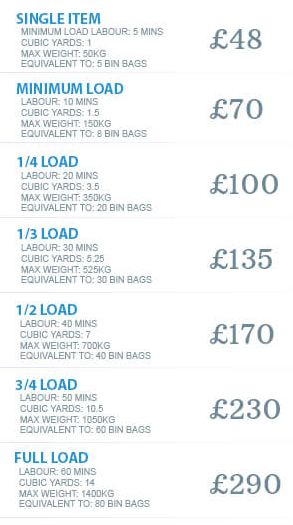
 Tipper Van - Rubbish Removal and Waste Clearance Prices in Ealing, W5
 Luton Van - Rubbish Removal and Waste Clearance Prices in Ealing, W5